Shop confidently - 14-day no-hassle return policy

Trademark vs. Copyright: What's the Difference and Which One Do You Need?

Copyright or Trademark?

You took the leap, and your business is ready to make its mark on the world. You’ve got a great business model, you’re working hard to build your brand, and now it’s time to make sure your business is protected from… copycats, let’s say. And somewhere between ten open tabs and a headache, you land on the trademark vs. copyright question and suddenly wonder if you've been doing this whole protection thing wrong from the start. 

Don't worry, you're in just the right place at the right time, because understanding trademark vs copyright is one of those business moves that pays off for years. So let's break it all the way down. 


What is a Copyright?

When it comes to trademark vs copyright, understanding what each one actually covers is the best place to start. A copyrightprotects original creative works. We're talking written content, blog posts, website copy, photography, digital products, art, music, video, and software. Basically, if you made it and it lives in a tangible or digital form, a copyright likely applies. 

Here's where it gets interesting: a copyright is automatic. The moment you create something original and fix it in a tangible form (save the file, hit publish, print it out), you own the copyright. No paperwork required.

But don't dust off your hands and move on just yet.

Because automatic doesn't mean airtight, if you want to prevent anyone else from using or distributing the copyrighted work, you will have to register that piece. If someone does copy your work, you won't be able to sue for statutory damages or attorney's fees without a registeredcopyright. You must also register the copyright 3 months from the creation of the work, or you can only pursue infringement claims for events that happen after you register.

What Does Copyright Actually Protect?

Copyright protects the expression of an idea, not the idea itself. You can't copyright "an online course about contracts," but you can copyright the specific scripts, workbooks, slides, and content inside that course.

Things copyright covers:
  • Written content (blog posts, email copy, course materials)
  • Visual art and graphic design
  • Photography and video
  • Music and audio recordings
  • Software and code
  • Website content

Things copyright does NOT cover:

  • Ideas, concepts, or methods
  • Names, titles, or slogans
  • Facts or information that isn't original

When (And How) Should You Register a Copyright?

When you're weighing trademark vs. copyright for your business, copyright registration is the priority if you're creating and selling original content, digital products, templates, courses, or any kind of intellectual property. 

Registration through the U.S. Copyright Office puts your ownership on the record. It gives you the legal ability to sue for infringement, including statutory damages that can reach $150,000 per work for willful infringement. And it sends a clear signal to anyone thinking about copying the work that you're not playing around. 

What Is a Trademark?

The other half of the trademark vs copyright equation is the trademark itself. A trademark, on the other hand, protects brand identifiers: the words, phrases, logos, symbols, and combinations that tell your customers they're buying from you specifically. Think of it as your business's fingerprint.

When someone sees your business name, your logo, or your tagline, they should know it's yours. A trademark is what makes it legally enforceable. 

Just like copyright, you do get some trademark rights automatically through use. If you've been operating under a business name in a specific geographic region, you've likely built what's called "common law" trademark rights. But those rights are limited to where you actually do business, and they're much harder to enforce. Not to mention, this gets even trickier when it comes to the online business space. 

Need a little help with how to name and trademark your business? Well, what do you know, we’ve got a course for you!


For Business Owners: Deciding Whether a Trademark or Copyright is Right For You

What Does a Trademark Actually Protect?

Trademarks protect the identifiers that distinguish your brand from others in the marketplace. This includes:
  • Business names
  • Logos 
  • Taglines and slogans
  • Product names
  • Brand symbols or distinctive design elements

This post covers 11 things you might want to trademark for your business.

When (And How) Should You Register a Trademark?

If the trademark side of the trademark vs copyright decision applies to you, registration is the move if you're building a brand with a name, logo, or tagline you want to protect long-term. This is especially true if you're selling products or services nationally, plan to scale, or want to stop competitors from using something confusingly similar. 
The trademark registration process runs through the USPTO and takes time. The office examines your application, publishes your mark for public opposition, and then issues registration once everything clears. It's a process, but the protection you get on the other side is substantial. And we've got a blog post that goes into detail on how to do it (without a lawyer)!
One important note: trademark registration is ongoing. You'll need to file maintenance documents to keep your registration active, and your trademark rights are tied to continued use of the mark in commerce. 

Trademark vs Copyright: The Core Difference

The clearest way to understand trademark vs copyright is to think about what each one protects and why. 
Copyright protects what you create. The blog post, the digital product, the course, the photograph. It's about the creative work itself and keeping others from reproducing or distributing it without your permission. 
A trademark protects how you're known. Your name, your logo, your slogan. It's about your brand identity and making sure no one else can swoop in and confuse your customers by using something that looks or sounds too much like you. 
For many small business owners and entrepreneurs, the answer to the trademark vs. copyright questions isn't "either/or". It's both, applied to different parts of your business. 
Your logo is a great example. The logo design itself may be protected by copyright as an original creative work. The logo as a brand identifier, something customers associate with your business, is protected by trademark. Same asset, two different layers of protection.

Do You Need a Trademark, a Copyright, or Both?

Here's a quick way to think through it:
Start with a copyright if you are:
  • Creating and selling original digital products, courses, or templates
  • Publishing blog content, photography, or written work
  • Building a body of creative work you want to protect from copying
Start with a trademark if you are:
  • Building a recognizable brand with a name, logo, or slogan
  • Selling products or services under a brand name you want to protect
  • Expanding nationally and want legal protection beyond your local market

Consider both if you are:

  • Building a business that involves both brand identity AND original creative content (which, honestly, describes most entrepreneurs)
Here's the simplest trademark vs copyright summary: A copyright protects your work from others, while a trademark makes it easier for your business and brand to stand out. Of course, if you want to be able to pursue claims against anyone who infringes on you, you'll need to register for either one.


Trademark vs. Copyright: Which One Should You Use?

FAQ: Trademark vs Copyright

Do I need to register to have a copyright? No. Copyright protection is automatic when you create an original work. But registration is required before you can sue for infringement, and registering within three months of publication gives you access to stronger legal remedies.

Can a logo be both trademarked and copyrighted? Yes, if your logo contains original creative elements (custom illustrations, unique design), the creative work is protected by copyright. The logo as a brand identifier is protected by trademark. Both can apply simultaneously. 
What's the difference between the and ® symbols? can be used once you start using a mark in commerce, even without registration. ® can only be used after your trademark is officially registered with the USPTO.
How long does a copyright last?For works created after 1978, copyright lasts for the life of the author plus 70 years. For works made for hire or anonymous works, it's 95 years from publication or 120 years from creation, whichever is shorter.
Is a business name automatically trademarked? No. Registering a business name with your state gives you the right to operate under that name in that state, but it doesn't give you trademark protection. Trademark registration is a separate process through the USPTO.
What happens if someone infringes on my copyright or trademark? If you've registered either, you have legal standing to send a cease and desist letter and pursue damages in court. Without registration, your options are more limited and harder to enforce. 

Both Trademarks and Copyrights are Meant to Protect You

The trademark vs copyright question doesn't have to be complicated. Both trademarks and copyrights exist to protect your business, just in different ways and for different things. Copyright protects your creative work. A trademark protects your brand identity. And for most entrepreneurs, both eventually become part of a complete legal foundation. 
We know, we know… why would anyone steal someone else’s work? But it happens. So, it’s important to ensure your legal foundation has you covered. If you're still figuring out where to start, begin with the piece of your business most at risk right now. Selling original digital products? Get your copyright registered. Actively building a brand you want to own long-term? Start the trademark process. 
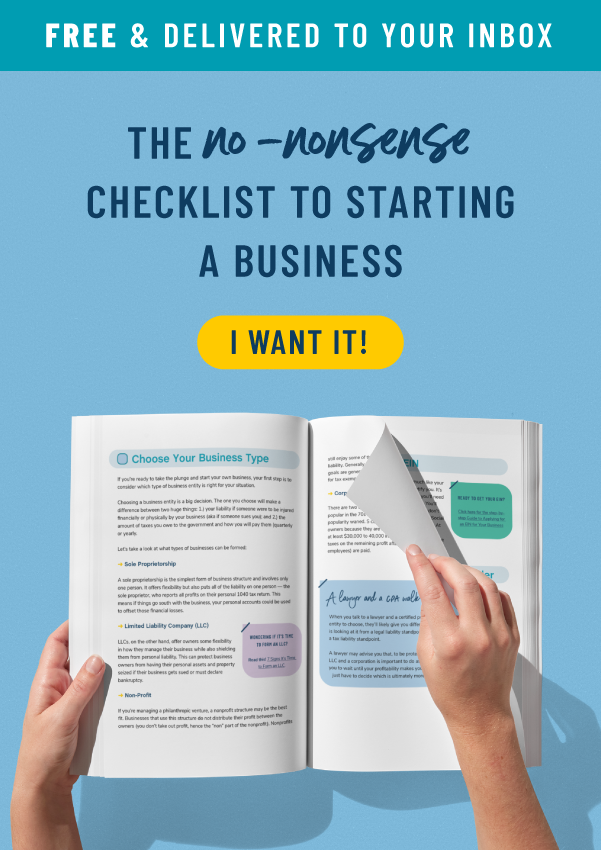
And if you want to make sure the rest of your business foundation is just as solid, start with our free No-Nonsense Checklist for Starting a Business. It covers the essential legal pieces most business owners skip, so you can stop winging it and start running things like the CEO you actually are. 


Trademark vs. Copyright: Which One Should You Use?

Leave a comment

Comments will be approved before showing up.


Also in The Blog

How to get a copyright
How to Get a Copyright

Learn how to get a copyright step-by-step, why it matters, and how to protect your work as a small business owner, without the legal overwhelm.


An S Corp Won’t Protect You From This (And Many Online Business Owners Learn Too Late)

Electing S Corp status is a smart tax move, but it’s not complete protection. Discover the full protection stack you need for your online business.

How to use Pinterest marketing for business in 2026
How to Use Pinterest Marketing for Business in 2026

If this is the year you want to simplify your marketing and spend less time and effort without losing results, it’s time to learn about Pinterest marketing.